
Snails may move slowly, but their lives are surprisingly fascinating. These tiny shelled creatures are often seen in gardens, forests, farms, and wet places after rainfall, quietly gliding across leaves and soil in search of food. Their soft bodies are protected by a spiral shell that grows bigger as they grow older.
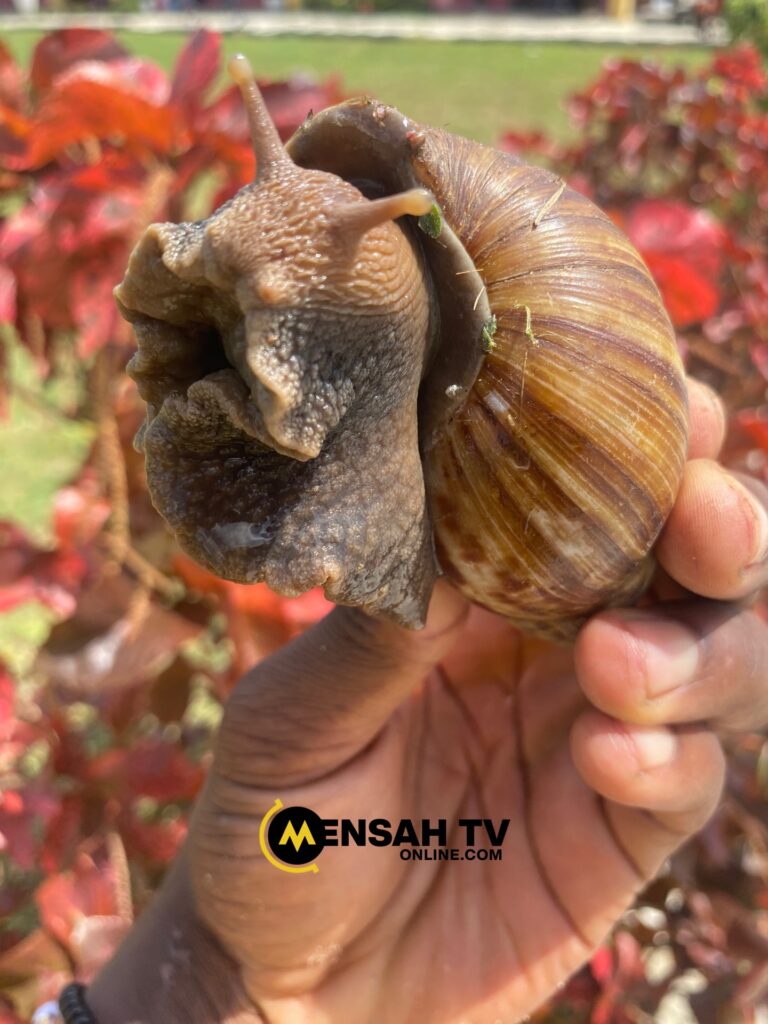
A snail’s journey begins from a tiny egg hidden in moist soil. As the baby snail hatches, it already carries a small delicate shell on its back. Over time, the shell grows stronger and larger, becoming its portable home and protection from danger.
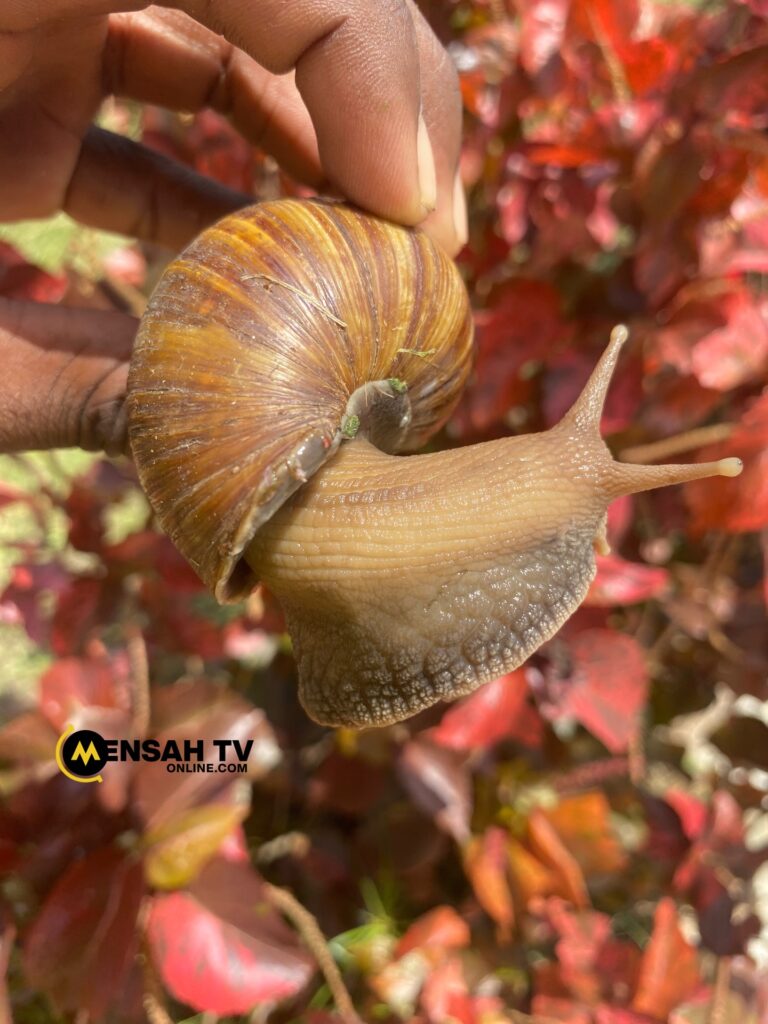
Snails love feeding on fresh leaves, fruits, vegetables, algae, and decaying plants. Using thousands of tiny tooth-like structures on their tongues, they scrape and chew food little by little. Though they are slow movers, snails play an important role in nature by helping break down organic matter and keeping the environment balanced.

Snails are a highly nutritious, low-fat, and high-protein food source rich in essential nutrients like iron, calcium, magnesium, and vitamin B12. They support cardiovascular health, improve anemia, strengthen bones, and provide anti-inflammatory benefits. Consuming snails can also boost immune function and contribute to healthy skin.
Here are some Key Nutritional and Health Benefits we get from snails
1. High-Quality Protein: Snails are packed with protein (approx. 16-20g per 100g) while being very low in fat.
2. Heart Health: They are a good source of Omega-3 fatty acids, which help reduce blood pressure and lower the risk of heart disease.
3. Rich in Iron and Minerals: They provide significant amounts of iron (essential for red blood cell production), calcium, phosphorus, and magnesium.
4. Vitamin B12: High levels of Vitamin B12 help prevent fatigue and combat anemia.
5. Skin and Immune Support: They contain selenium and Vitamin E, which boost the immune system and promote skin health.
6. Eye Health: Rich in zinc and Vitamin A, which aid in night vision.
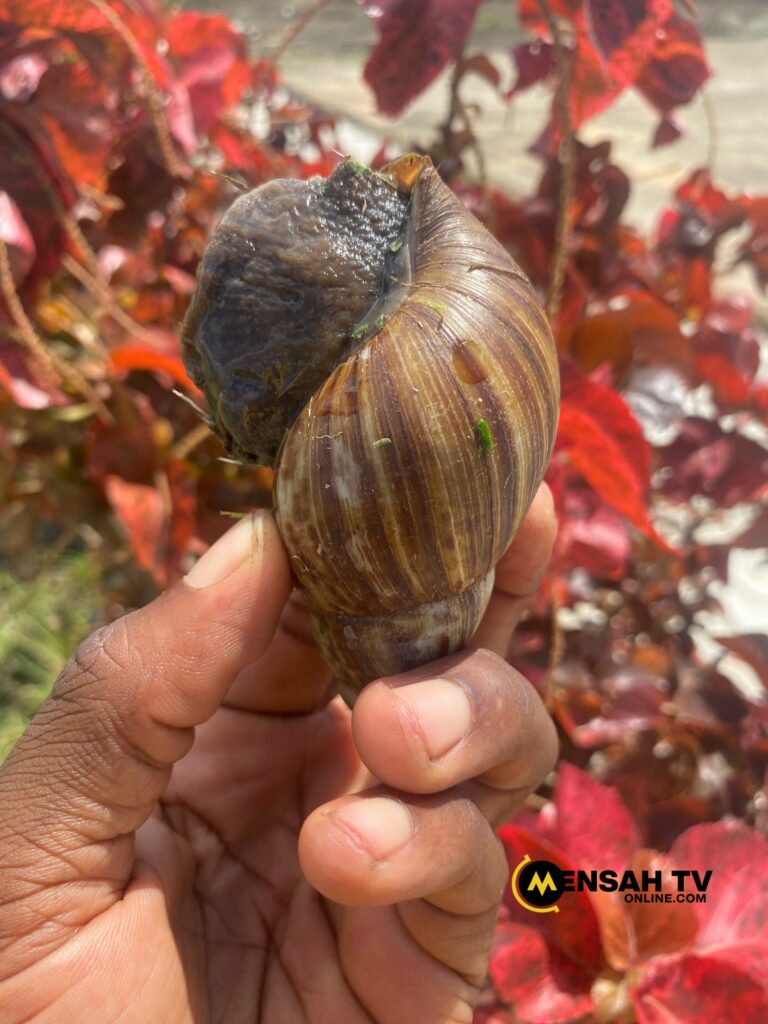
Note: Important Safety Considerations
Rat Lungworm Disease: Raw or undercooked snails can lead to serious infection, such as rat lungworm disease.
Preparation: They are healthiest when prepared simply, as heavy buttery sauces can negate their low-fat benefits.
Allergic Reactions: As with any seafood or snail products, allergies are possible.
#ExperienceGhana #VisitGhana #MensahTV
About The Author